

10 Steps to Sustainability: Productivity Warehouse Equipment
Making real environmental progress in material handling requires concrete changes that fit within existing operational constraints. Facility managers need practical equipment upgrades to hit ambitious efficiency targets. Learn how to improve sustainability and get closer to zero-waste operations with 10 easy steps involving Bailey’s productivity warehouse equipment in Tennessee, Virginia, Kentucky, Georgia, and Washington state. We bring One Material Handling Solution to facilities looking to boost throughput while minimizing their environmental footprint.
Why TRUE® Zero Waste Is the Future of Industrial Operations
Achieving TRUE® Zero Waste certification directly impacts your bottom line by minimizing disposal costs and maximizing resource efficiency. Industrial leaders are shifting away from the linear disposal model toward circular systems where every material retains value. Earning this credential proves your commitment to responsible stewardship to environmentally conscious partners. As The Green Equipment Company, Bailey successfully navigates this rigorous certification process and stands ready to help you implement similar practices. By embracing sustainable warehouse material handling equipment, your operation gains a distinct competitive advantage.
Step-by-Step Guide to TRUE® Zero Waste Operations
Transitioning to a sustainable facility happens through deliberate and manageable operational upgrades. These actionable steps will help you reduce landfill contributions while maintaining peak output.
Step One: Utilize Electric Forklifts
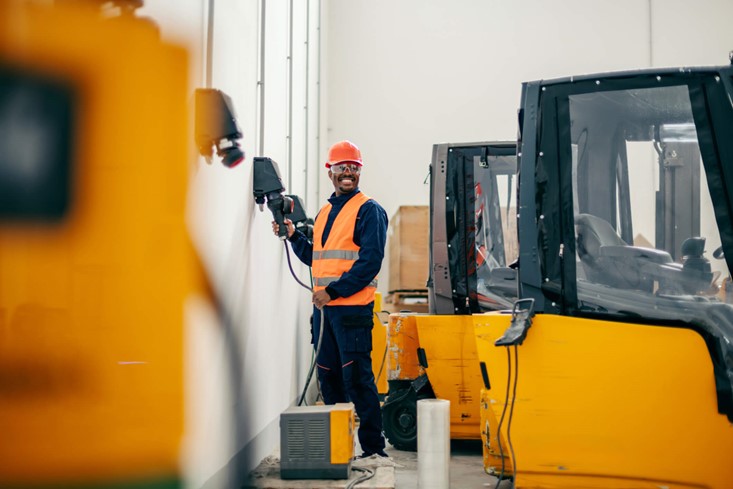
Transition to high-efficiency electric forklifts to eliminate on-site emissions and reduce your carbon footprint. Replacing older internal combustion engines instantly cleans your facility’s air. It also significantly lowers your monthly fuel expenses.
Step Two: Consider Electric Tow Tractors
Deploy electric tow tractors to move heavy loads quietly across your floor. These efficient machines pull multiple carts at once to streamline horizontal transport. They reduce the number of trips required to supply your production lines.
Step Three: Understand When to Use Heavy-Duty Hand Trucks
Incorporate heavy-duty industrial hand trucks for manual tasks to lower energy consumption. Durable manual tools reduce reliance on powered equipment for short runs. They offer a simple way to maneuver items in tight aisles, too.
Step Four: Adopt Reusable Packaging
Adopt reusable packaging solutions like durable plastic totes to minimize cardboard waste. Implementing returnable containers drastically cuts down on daily trash accumulation. This shift lowers your ongoing packaging costs over time.
Step Five: Upgrade to Energy-Efficient Lights
Upgrade to motion-sensor LED warehouse lighting for long-term energy savings. Smart lighting ensures you only consume electricity when workers are actively picking or stocking. Lower utility bills free up capital for other facility improvements.
Step Six: Join the Smart Battery Charger Revolution
Use smart battery chargers for your warehouse fleets to extend battery life. Proper charging cycles prevent premature battery disposal. Maximizing battery lifespans keeps hazardous waste out of the local landfill, too.
Step Seven: Be Strict About Preventive Maintenance
Implement a rigorous preventative maintenance schedule to keep machinery running cleaner. Well-maintained machinery leaks fewer fluids and requires fewer replacement parts. Consistent service directly extends the usable life of your entire fleet.
Step Eight: Set up Dedicated Recycling Stations
Set up dedicated recycling stations for shrink wrap and broken pallets. Diverting these common warehouse materials from the dumpster is crucial for any zero-waste company. Clear signage ensures your employees participate actively in the sorting process.
Step Nine: Switch to Environmentally Friendly Products
Switch to biodegradable cleaning supplies for facility upkeep and equipment washdowns. Non-toxic chemicals protect your technicians from harsh fumes. They also prevent harmful runoff from contaminating local groundwater systems.
Step Ten: Continually Audit Your Practices
Conduct quarterly waste audits to identify new diversion opportunities. Tracking what you throw away exposes hidden inefficiencies in your procurement process. Data from these audits should guide your future sustainability plans.
The Role of Advanced Solutions in Sustainability
Upgrading manual processes with advanced intralogistics technology drives measurable waste reduction across your entire footprint. Bailey provides comprehensive guidance on implementing the latest automated systems to help your facility optimize energy use. Smart technology inherently minimizes errors to reduce damaged goods and discarded inventory. We help facilities throughout Tennessee, Virginia, Kentucky, Georgia, and Washington state deploy these smart logistical systems.
Automation for Efficiency and Waste Reduction
Introducing cutting-edge automation, like automated guided vehicles, minimizes human error and maximizes productivity. These intelligent machines calculate the most efficient travel paths to reduce power consumption during transit. Automated systems handle materials gently to prevent product loss and packaging damage. This precise handling keeps more inventory out of the trash bin.
Fleet Management for Smarter Resource Use
Telematics platforms give you complete visibility into how your equipment performs during every shift. Fleet management tools track idle times and route inefficiencies to help you reduce unnecessary energy consumption. By monitoring impact alerts and maintenance codes, you can address mechanical issues before they cause a disruption to your daily operations.
Sustainable Warehouse Design
Designing an eco-friendly layout maximizes your existing square footage and prevents unnecessary facility expansions. Modular offices and structural mezzanines allow you to grow vertically rather than pouring new concrete. We evaluate your current floor plan to identify areas where updated storage racks can condense your footprint and improve heating efficiency.
Measuring Progress and ROI in Sustainability
Tracking key performance indicators is essential to prove the financial viability of your environmental initiatives. You must monitor metrics like landfill diversion rates, energy saved, and total maintenance cost reductions. Bailey offers customized consultations to help you establish these baselines and deploy the right tracking tools. Our experts analyze your operational data to pinpoint exactly where your investments generate the highest returns. Quantifying these successes justifies further upgrades and keeps your stakeholders motivated to push forward.
Partnering With Bailey for a Greener Future
Achieving meaningful environmental progress demands a partner who understands real-world industrial constraints. Bailey brings decades of hands-on material handling expertise to help you build a resilient operation. Our extensive experience earning the TRUE® Zero Waste credential gives us the practical knowledge to guide your facility toward similar success. Whether you need a simple equipment upgrade or a complete facility redesign, our teams in Knoxville, Chattanooga, Nashville, and Seattle provide reliable support. Contact our local team today to schedule your comprehensive sustainability assessment.