

How Warehouse Racking Improves Storage Capacity & Efficiency
As warehouses continue to manage growing inventory levels and increased operational demands, maximizing available space has become more important than ever. Warehouse racking systems provide businesses with an effective way to improve storage density, organize inventory, increase accessibility, and support long-term growth.
For manufacturers, distribution centers, logistics providers, and fulfillment operations, properly designed warehouse racking often serves as the foundation for a more efficient facility.
Why Warehouse Racking Matters
Many facilities struggle with:
- Limited storage space
- Growing inventory requirements
- Congested aisles
- Inefficient product access
- Poor warehouse organization
Warehouse racking systems help address these challenges by creating structured storage environments that improve inventory visibility and maximize available warehouse cube utilization.
Benefits of Warehouse Racking Systems
Increased Storage Capacity
One of the most significant advantages of warehouse racking is the ability to maximize vertical space within a facility.
Instead of storing products at floor level, businesses can utilize available building height to increase storage density without expanding their footprint.
Improved Inventory Accessibility
Well-designed racking systems help employees quickly locate, retrieve, and store inventory, reducing wasted movement and improving productivity.
Better Warehouse Organization
Warehouse racking creates designated storage locations that help improve inventory control and reduce product damage.
Support for Future Growth
Scalable storage systems allow businesses to accommodate increasing inventory volumes while maintaining operational efficiency.
Common Types of Warehouse Racking
Different operations require different storage strategies.
Popular warehouse racking systems include:
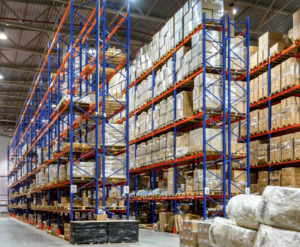
Selective Pallet Racking
The most common warehouse storage solution, offering direct access to every pallet.
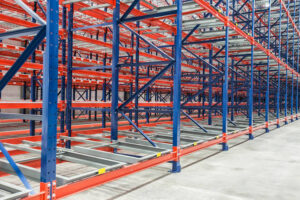
Push-Back Racking
Designed to increase storage density while maintaining accessibility.
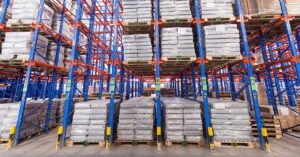
Drive-In Racking
Ideal for storing large quantities of similar inventory.
Cantilever Racking
Frequently used for long, bulky materials such as lumber, piping, and building products.

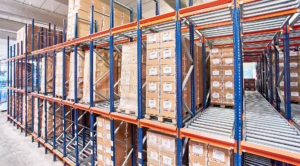
Pallet Flow Systems
Designed to improve inventory rotation and increase picking efficiency.
Warehouse Racking for Tennessee Operations
Warehouses throughout Tennessee rely on racking systems to support manufacturing, distribution, logistics, and fulfillment operations.
Middle Tennessee
Distribution centers and fulfillment operations throughout Nashville, Murfreesboro, and Smyrna utilize warehouse racking systems to support inventory growth and maximize storage capacity.
Chattanooga & The Tennessee Valley
Manufacturers and automotive suppliers throughout Chattanooga and Cleveland utilize warehouse storage systems designed to support production environments and supply chain operations.
East Tennessee
Warehousing, food and beverage, manufacturing, and distribution operations throughout Knoxville, Johnson City, and Kingsport depend on efficient warehouse storage solutions.
Building A Complete Warehouse Solution
Warehouse racking is often the first step toward creating a more efficient operation.
Many businesses also improve performance through:
- Warehouse Automation
- Conveyor Systems
- Material Handling Equipment
- Fleet Management Programs
- Warehouse Design & Optimization
Combining storage systems with automation and material handling technologies helps organizations improve throughput while creating scalable operations capable of supporting future growth.
Explore Warehouse Storage Solutions
Whether you’re planning a warehouse expansion, improving inventory management, or increasing storage density, Bailey Equipment helps organizations develop solutions tailored to their operational requirements.