

How Automated Warehouse Systems Are Shaping the Future of Logistics
Traditional warehouse methods, which rely on clipboards, manual counts, and human navigation, are struggling to keep up with the demand for shorter shipping expectations. For logistics managers and business owners, this shift creates immense pressure to move goods faster, more accurately, and at a lower cost. The solution for many lies in the integration of automated warehouse systems. By leveraging advanced technology to handle repetitive tasks, businesses can fundamentally transform their operations, creating a data-driven ecosystem where consistency and scalability are the norm.
Understanding Warehouse Automation
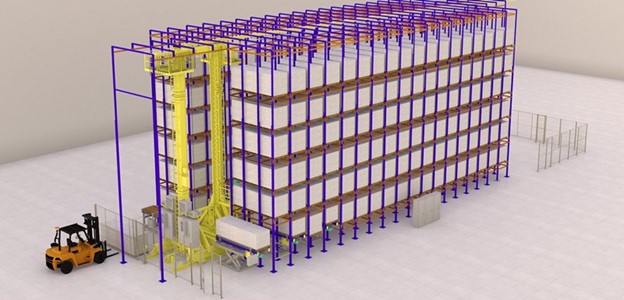
At its core, warehouse automation involves using technology to perform time-consuming tasks with minimal human intervention. While the image of a futuristic facility run entirely by robots is popular, the reality is often a hybrid approach that enhances human capabilities. The ecosystem of an automation warehouse includes a variety of tools, such as:
- Autonomous Mobile Robotics (AMRs) – Self-navigating robots that transport materials throughout the warehouse without fixed paths, adapting in real time to people, equipment, and layout changes.
- Automated Guided Vehicles (AGVs) – Self-driving equipment that moves material within the operation on a predetermined path.
- Vertical Lift Modules – Automated vertical storage systems that retrieve and deliver inventory trays to an ergonomic access point, maximizing vertical space, removing travel paths, and increasing picker productivity.
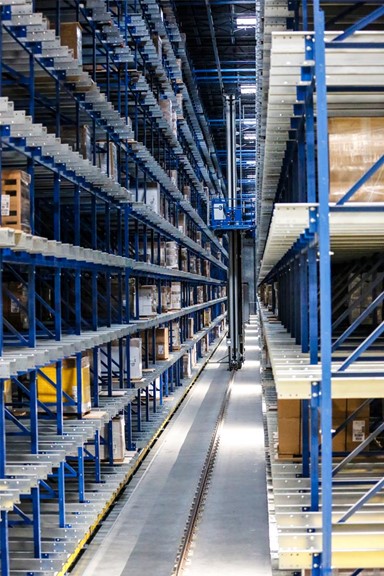
- Automated Storage & Retrieval Systems – Software-controlled systems that automatically store and retrieve pallets, cases, or totes.
- Conveyor Systems – Automated belts that transport goods between zones, reducing manual carrying.
Optimizing Logistics Through Technology
Logistics optimization is the art of making the movement and storage of goods as efficient as possible. Warehouse automation is the engine that drives this efficiency as it incorporates:
- Real-Time Inventory Tracking – One of the most persistent challenges in logistics is knowing exactly what’s in stock and where it’s located. Automated systems utilize Radio Frequency Identification (RFID) and Internet of Things (IoT) technologies to address this issue. These tools provide real-time visibility into inventory levels.
- Streamlined Order Fulfillment – Finding items on shelves and assembling orders is often the most labor-intensive part of warehousing. Automation addresses this issue with technologies such as pick-to-light (where lights indicate which bin to select) or voice-picking systems. These tools boost accuracy and speed, directly reducing the number of returns caused by shipping errors.
- Enhanced Transportation Management – When integrated with transportation management systems, automated warehousing helps coordinate inbound and outbound shipments. By synchronizing warehouse operations with trucking schedules, facilities can optimize their docks by preparing just in time load preventing trucks from waiting and increased delivery speed.
Additional Benefits of Automated Warehouse Systems
In addition to improving logistics and operations, automated warehouse systems bring several other key advantages. Here are some of the additional perks of implementing automation:
- Cost Savings – Automation reduces labor-intensive processes and minimizes costly errors.
- Precise Inventory Management – Technologies such as automated picking systems help optimize stock levels, reducing both overstocking and stockouts.
- Enhanced Workplace Safety – By limiting human interaction with heavy machinery or hazardous working conditions, automation creates a safer work environment.
- Evolving Workforce Roles – As automation handles repetitive tasks, human workers can shift to more strategic, supervisory, and analytical roles, further boosting efficiency.
The Shift to Smart Warehousing
While automation refers to the hardware performing the work, smart warehousing refers to the intelligence that powers it. This concept involves interconnected systems, data analytics, and machine learning, creating an adaptive environment. In a smart automation warehouse, systems communicate seamlessly. A machine learning algorithm might analyze historical sales data to predict a spike in demand for a specific product. Based on that prediction, the system can automatically adjust reorder levels or direct AGVs to move that product to a more accessible location before the rush begins.
Smart warehousing also drives sustainability. Automated systems can optimize energy consumption by adjusting lighting, heating, and cooling based on real-time activity in specific zones. If a zone is empty, the lights turn off. Additionally, these intelligent systems utilize predictive maintenance. Instead of waiting for a conveyor belt to break and halt operations, the system analyzes performance data to predict when a part is nearing the end of its lifespan. This allows for scheduled maintenance, reducing equipment downtime and extending the lifespan of expensive machinery.
Why Automation Is a Necessity
For years, warehouse automation was viewed as a high-end luxury for industry giants. However, as e-commerce demands grow, it has become a necessity for businesses of all sizes aiming to stay competitive. Companies that invest in this transformation position themselves to scale. They can handle increased order volumes without a linear increase in labor cost and promise faster delivery times with confidence. At Bailey, we’re embracing these innovative technologies to help clients navigate the complexities of modern supply chain management.
Frequently Asked Questions
What are the main benefits of warehouse automation?
The primary benefits include increased efficiency, reduced labor costs, and higher accuracy. Automation minimizes human error in picking and packing, speeds up order fulfillment, and allows for continuous 24/7 operations.
Does automation completely replace human workers?
No. While automation handles repetitive and physically demanding tasks, it shifts the role of human workers toward supervision, maintenance, and complex decision-making. It creates a collaborative environment where technology augments human potential.
How does smart warehousing support sustainability?
Smart warehousing reduces energy waste by optimizing utilities, such as lighting and temperature, based on occupancy. It also prolongs equipment life through predictive maintenance, reducing the waste associated with broken or discarded machinery.
Embracing the Logistics Revolution
The transition to automated warehouse systems in Tennessee, Virginia, Kentucky, Washington, and Georgia represents a pivotal moment in the logistics industry. From streamlining daily operations to enabling data-driven decision-making through smart warehousing, technology is paving the way for a more efficient future. Businesses that adopt these tools will not only improve their operational performance but also deliver superior service to their customers. Whether it’s through robotics, AI, or advanced tracking, the future of logistics is automated, intelligent, and scalable.