

Managing Seasonal Demand With Short-Term Rentals
Warehouse operations run like clockwork most of the year. That is, until they don’t. When seasonal demand hits, everything changes. Order volumes spike, shifts extend, and your forklift fleet suddenly needs to do twice the work with the same number of units.
For distribution centers and warehouses, this scenario repeats itself every peak season. The question isn’t whether demand will surge, but whether your equipment strategy can keep pace without breaking the budget or compromising safety.
Short-term forklift rental offers a practical solution. Rather than overextending your core fleet or rushing to secure equipment at the last minute, a strategic forklift rental approach can help you scale operations efficiently while maintaining control over costs and performance.
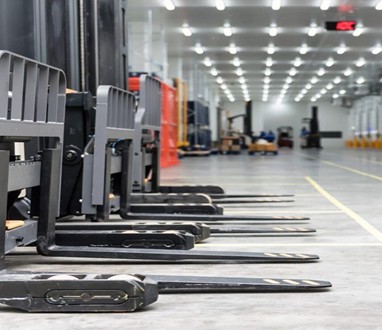
Why Seasonal Peaks Create Forklift Shortages
When order volumes climb, your material handling equipment bears the brunt of the pressure. Forklifts that typically run one shift now operate around the clock. Operators push harder to meet tighter deadlines. This intensity creates several cascading problems:
- Accelerated Wear and Tear – When forklifts run double or triple shifts, their components wear down faster. Tires, batteries, and hydraulic systems that would typically last for months suddenly need immediate attention.
- Increased Safety Risks – Peak periods lead to more forklifts on the floor, increasing congestion and the risk of accidents. Temporary workers may be unfamiliar with your layout, and experienced staff may rush to meet quotas.
- Fleet Capacity Gaps – When permanent equipment can’t meet demand, companies might overwork their existing fleet or hastily rent unsuitable equipment.
Benefits of Short-Term Forklift Rentals
Short-term forklift rental solves the seasonal demand puzzle by providing flexibility without long-term commitment. Instead of purchasing additional units that sit idle for half the year, you can scale your fleet precisely when needed. Benefits of short-term forklift rentals include:
- Cost Efficiency – Purchasing a forklift is a significant capital investment. Renting turns this fixed cost into a variable expense, so you only pay for the equipment when it’s generating revenue.
- Access to a Wide Range of Equipment – Rent specialized equipment for specific tasks, such as electric forklifts for indoor use, reach trucks for narrow aisles, or high-capacity units for heavy loads. Bailey offers diverse fleets to meet your exact needs.
- Maintenance Coverage – Rental agreements often include maintenance, so we handle service when needed. This avoids unexpected repair costs and keeps your equipment running smoothly during critical times.
How Warehouses Can Plan for Seasonal Demand
Effective seasonal planning begins months before peak periods arrive. Warehouse operators who navigate seasonal surges successfully follow a systematic approach:
- Review Historical Data for Better Planning – Analyze past peak seasons to identify equipment needs. Track forklift usage, breakdowns, and bottlenecks to uncover patterns and improve future operations.
- Forecast Volume and Equipment Needs – Project volume increases using customer forecasts and market trends. If you anticipate a 40% rise in throughput, your equipment capacity must increase to match.
- Plan Ahead With Your Forklift Rental Provider – Let us know when you need the equipment delivered, for how long, and what maintenance support is required to avoid miscommunication and ensure a smooth execution.
- Schedule Operator Training – OSHA mandates that all operators are trained on the equipment they use. By arranging training before the rental forklifts arrive, you ensure compliance and equip your workers to operate the machinery safely and efficiently from the start.
- Optimize Facility Layout for Peak Seasons – Evaluate your warehouse layout to identify and address congestion points before your busy season hits. By adjusting aisle widths and traffic flow, you can significantly improve throughput and reduce accident risks. Our intralogistics experts can help you optimize your facility for peak efficiency. Explore our solutions here.
Choosing the Right Forklifts for Seasonal Operations
Not all forklifts work equally well for temporary applications. Selecting appropriate equipment requires understanding your operational needs. Consider the following factors:
- Load Capacity – Document the weight ranges you’ll be handling and choose equipment rated appropriately. Overloading forklifts creates safety hazards and accelerates wear, while over-specifying capacity means paying for capability you don’t need.
- Power Source – Electric forklift rental units offer advantages for indoor operations, such as zero emissions, quieter operation, and lower fuel costs. Internal combustion engines provide longer runtime and faster refueling for outdoor applications or facilities without adequate charging infrastructure.
- Lift Height – Standard forklifts typically reach 188 inches, but if your facility uses taller racking, you’ll need equipment with greater vertical reach. Measure carefully, as an insufficient lift height leads to inefficient storage practices.
- Attachments – Clamps, rotators, and specialized forks allow one forklift to handle multiple product types. When planning warehouse equipment rental, consider whether standard forks meet all your needs or if attachments would improve efficiency.
- Operator Comfort – Features such as adjustable seats, clear sight lines, and intuitive controls reduce operator fatigue and improve safety, particularly important when running longer hours during peak periods.
Optimize Your Warehouse Operations Today
Seasonal demand doesn’t have to create chaos in your warehouse operations. With thoughtful planning and strategic use of short-term forklift rental options, your warehouse can scale its material handling capabilities to meet any volume surge. The key is preparation. Companies that wait until peak season to address equipment needs inevitably face higher costs, limited equipment availability, and operational stress. Those who plan ahead secure the right equipment with Bailey at better rates while maintaining safety and efficiency throughout their busiest periods.
Ready to optimize your warehouse equipment strategy for the upcoming peak season? Start by evaluating your historical demand patterns and identifying where additional capacity would drive the greatest impact. If you’re looking for short-term rentals or forklift leasing, connect with us today. We’ll help you analyze your current fleet requirements and provide the right solutions to keep your operations moving smoothly. With branches in Knoxville, Chattanooga, Nashville, and Seattle, our team is ready to support your operation wherever you are.