

Your loading dock is basically the control center of your warehouse or distribution hub. It’s where products switch hands from manufacturing to transportation, and if things aren’t running smoothly here, the whole operation feels it.
At Bailey, we help businesses throughout Tennessee, Virginia, Kentucky, Georgia, and Washington build loading docks that keep freight moving safely and efficiently. Throughput goes up, downtime goes down, and compliance becomes a lot easier to manage.
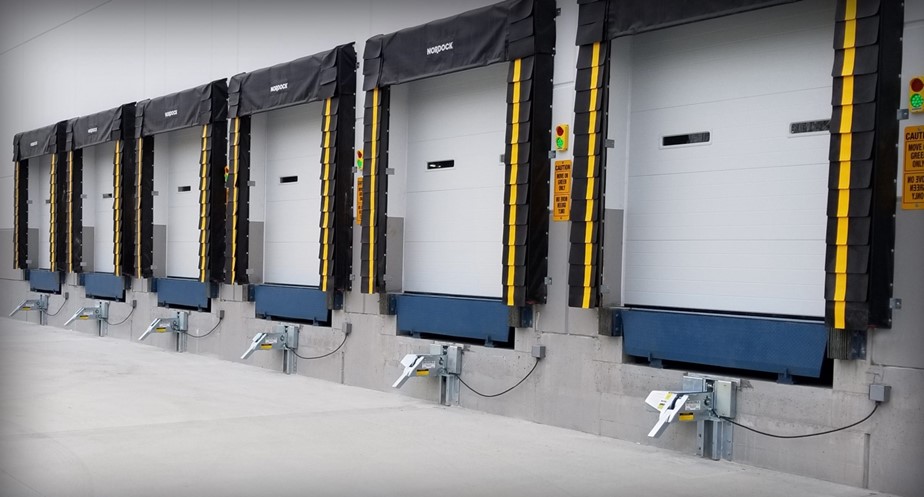
A productive dock isn’t just a door and a ramp—it’s a combination of the right equipment working together. Dock levelers, vehicle restraints, seals, lights, and communication systems all have a specific job to do. When they’re chosen thoughtfully and set up as a system, you get faster loading, safer workflows, and a smoother transition of goods from truck to warehouse.
The Importance of an Efficient Dock
In the world of logistics, nothing slows you down like dwell time—the minutes (or hours) a truck sits waiting at your dock. A well-designed dock keeps things moving fast, while a poorly equipped one becomes a bottleneck that drags everything down.
Quality dock equipment plays a huge role here. It’s the link between your stationary warehouse and constantly changing trucks. Trailers come in different heights and setups, and without the right gear, forklift drivers deal with steep ramps, rough transitions, and unsafe gaps. All of this slows loading, beats up your equipment, and increases the chance of product damage.
When a facility invests in the right infrastructure, the dock becomes a performance booster instead of just an entryway. The smoother the product moves from trailer to rack, the lower your labor costs, and the quicker carriers can get back on the road.
Key Dock Equipment and What They Do
To create a smooth operation, you need the right mix of dock equipment. Each piece serves a unique purpose:
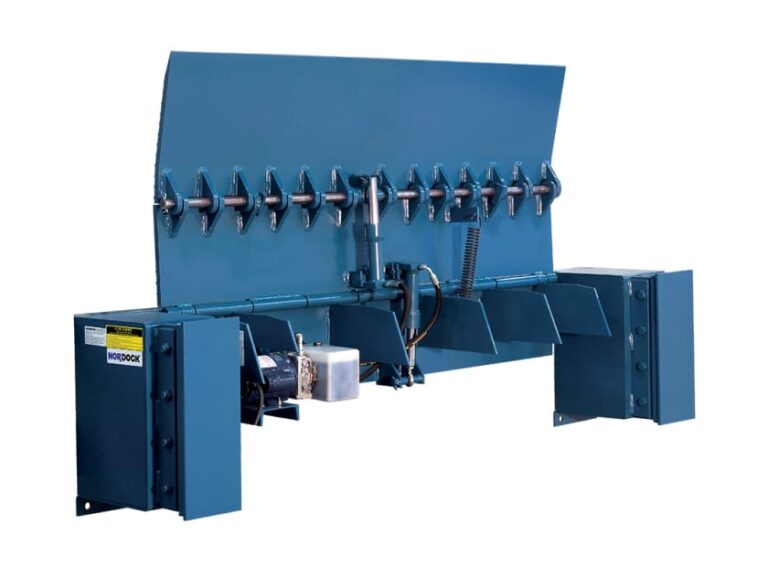
- Dock Levelers: Dock levelers act as the bridge between the trailer and the warehouse floor.
- Hydraulic levelers use cylinders to raise the deck and lip. They’re great for busy docks and require less long-term maintenance.
- Mechanical levelers rely on springs and hold-downs. They’re easier on the budget upfront but need more adjustments over time.
- Vertical storing levelers stand upright when not in use. Because the door can close flush to the floor, they’re ideal for temperature controlled or clean environments.
- Vehicle Restraints: These are essential for keeping the trailer locked in place. Without them, a trailer can creep away from the dock as forklifts move in and out. Impact style restraints latch onto the trailer’s RIG bar, while wheel chocks—though common—depend on people using them correctly, which often doesn’t happen. For high-volume docks, automated restraints are the safer choice.
- Dock Seals and Shelters
- Seals use foam pads that compress against the trailer to create a tight seal—perfect when you have consistent trailer sizes.
- Shelters use flexible curtains that fit a wider range of vehicle sizes and give full access to the trailer opening.
Putting Safety First
The loading dock is one of the most dangerous areas in a warehouse, and OSHA/ANSI rules around dock safety are strict for a reason. Bailey designs docks with these regulations in mind to keep people safe and reduce liability.
Fall Protection and Run-off Guards
OSHA requires dock boards put into service after January 2017 to prevent vehicles from running off the edge. Portable dock boards usually need runoff guards because they don’t have built in sides. Fixed dock levelers normally rely on the pit walls to provide that protection. Adding raised guards to a leveler can actually create trip hazards for foot traffic.
- Securing the Trailer: OSHA requires truck brakes to be set and wheel chocks used. The problem? Manual chocking is hard to enforce. Automated restraints are far more reliable, and if a restraint can’t lock onto a trailer, the system should default to requiring manual chocking.
- Communication Lights: Drivers can’t see into trailers, and forklift operators can’t see outside—so communication lights make the whole process safer.
- Green outside = driver can pull away.
- Green inside = forklift operator can enter; the trailer is secured.
For maximum safety, we recommend interlocked controls that prevent the door or leveler from operating until the restraint is engaged.
Choosing the Right Equipment
There’s no universal dock setup that works for everyone. You need equipment that matches your operation. Here’s how to decide what’s right for your facility:
Look at Your Traffic
A low volume dock might be fine with mechanical levelers. A nonstop distribution center needs the durability of hydraulic systems. Also consider the types of vehicles you service—vans, liftgate trucks, 53foot trailers, etc. The variation in heights will affect what levelers and capacities you need.
Evaluate Your Loads
Combine your heaviest pallet weight with the weight of your forklift. That total determines the necessary capacity rating. Under‑specifying leads to failures, downtime, and expensive repairs.
Get Expert Help
Dock design involves balancing OSHA rules, ANSI testing requirements, and daily workflow—something we specialize in at Bailey. From lip lengths to master control panels, we help choose the right setup to improve safety, reduce maintenance, and keep your operations running efficiently.
Moving Toward Better Logistics
Dock equipment might not be glamorous, but it’s built to take constant abuse while keeping your operation moving. Upgrading to modern, compliant equipment removes bottlenecks and keeps your product flowing. Our dock maintenance plans help ensure everything runs at peak performance year-round.
Whether you’re upgrading an old building or designing a brand-new distribution center, the equipment you choose will define how fast and safely your facility operates. Bailey can help you build a system that keeps your people, product, and workflow protected and efficient.